.webp)








Introduction
Grow a Garden may look like a cozy garden-life simulation, but the deeper you progress, the more it reveals complex systems involving resource optimization, biodiversity management, soil chemistry, hybrid plant genetics, and long-term sustainability loops. This Advanced Guide is designed for experienced players who already understand basic farming and now want to optimize efficiency, expand plot potential, automate routines, and unlock the highest-tier plant evolutions. Each section provides expert-level insights, tested strategies, and analytical breakdowns to help you master the game’s advanced progression curve.
1. Understanding the Advanced Growth Cycle System
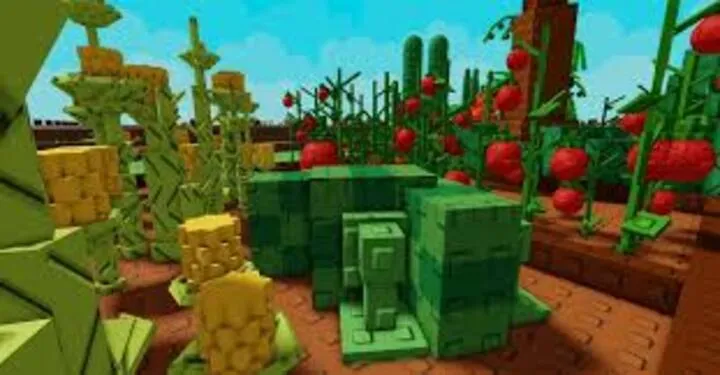
Once you move past beginner soil and starter seeds, Grow a Garden shifts into a more dynamic growth-cycle system governed by nutrient decay, weather variation, and soil memory. At this stage, plants no longer grow at static rates—each species responds uniquely to micro-environments, requiring careful observation.
Advanced players should track how temperature trends impact sprouting windows. Some plants accelerate during warm cycles, while others enter semi-dormancy, reducing growth by up to 40%. A key strategy is staggering your plant choices to maintain steady yield despite fluctuating conditions.
Soil Memory Effect
As soil retains traces of previous crops, it permanently influences nutrient bias. Rotating between nitrogen-heavy and phosphorus-heavy plants prevents long-term imbalances.
2. High-Level Resource Optimization Techniques
Resource scarcity becomes more pronounced mid-game. Instead of reacting to shortages, advanced players must predict and pre-allocate.
Start by dividing your garden into zones: high-yield, experimentation, and regeneration. High-yield zones get priority fertilizers, while regeneration plots rest with compost and clover to restore nutrients. This structure ensures stability during intensive harvest cycles.
Advanced composting upgrades also significantly reduce resource waste. Combining rare organic scraps increases both compost quality and duration, boosting growth speed by 12–25% depending on plant tier.
3. Mastering Soil Chemistry & Nutrient Balancing
The deeper soil system introduces pH levels, micro-nutrients, and chemical drift. Each plant affects soil differently, so expert players must correct imbalances before they cascade.
For efficiency, maintain an index card (in-game or external) tracking each plant’s nutrient consumption pattern. When two species clash—like acidic-preferring berries and alkaline root crops—split them into dedicated rows to avoid stunted growth.
Using pH Stabilizers
Stabilizers don’t just fix soil—they prevent extreme swings. Apply them before major crop rotations for maximum effect.
4. Hybrid Seeds & Genetic Breeding at Expert Level
Hybridization is one of the strongest features in Grow a Garden, enabling unique traits such as drought resistance, fast sprouting, or double-fruiting. Advanced breeding focuses on controlling the mutation rate.
Use parent plants with complementary traits to avoid unstable hybrids. For example, mixing two high-yield species often results in fragile seedlings, while pairing a stable genotype with a rare trait gives sustainable results.
Mutation Management
Increase greenhouse humidity during breeding cycles to lower mutation volatility by 20%.
5. Weather Prediction & Micro-Climate Manipulation

Late-game weather becomes unpredictable: temperature spikes, fog cycles, cold snaps, and rare storms. Instead of enduring them, skilled players use micro-climate tools such as windbreaks, humidity nets, and heat stones.
By arranging these around key plots, you create stable pockets where sensitive plants can thrive regardless of global weather. Stack bonuses—like combining windbreaks with morning mist sprayers—to maintain optimal conditions year-round.
6. Automation Systems & Efficiency Routines
Automation unlocks massive growth potential once you acquire sprinklers, drones, and auto-harvesters. But placing them poorly wastes resources.
Plan irrigation lines according to plant water demand zones: drought-tolerant plants should not share a sprinkler path with moisture-dependent species. For drones, set patrol patterns that prioritize rare plants during bloom cycles to maximize harvest quality.
Auto-Fertilizer Calibration
Set fertilizer intervals longer than you think—over-fertilization triggers nutrient lockout, reducing yield dramatically.
7. Managing Rare & Exotic Plant Species
Exotic species are powerful but extremely fragile. They require stable humidity, consistent soil temperature, and zero cross-contamination.
Experts create isolation chambers using greenhouse partitions, enabling high-value plants to grow unaffected by neighboring ecosystems. Some species even reward long-term stability by dropping unique crafting materials used for legendary upgrades.
8. Garden Expansion Strategy & Territory Control
Expanding your garden isn’t just adding land—it shifts ecological balance. New plots introduce new wind patterns, temperature shading, and wildlife behavior.
Advanced players expand in controlled segments, buffering new land with starter plants until the micro-biome stabilizes. Avoid expanding during harsh seasons, as new plots lack established soil memory and become highly vulnerable.
Efficient Plot Layout
Use L-shaped layouts to maximize airflow control and reduce random cross-pollination.
9. Advanced Pest & Wildlife Management
Late-game pests bypass beginner defenses. Instead of using reactive sprays, invest in ecological control systems like predator insects, scent barriers, and noise emitters.
Wildlife can also be beneficial—sparrows eat small pests, while bees increase pollination rates by 30%. Build an ecosystem that supports beneficial wildlife while repelling destructive species.
10. Late-Game Sustainability & Infinite Growth Loops

The ultimate challenge is achieving a self-sustaining garden that produces continuous cycles without constant micromanagement.
Rotate compost, maintain seed banks, and balance nutrient cycles to create a closed-loop ecosystem. Use hybrid plants that generate renewable resources or affect soil positively. Once perfected, your garden becomes an ever-growing powerhouse capable of supporting exotic species and high-yield crops simultaneously.
Infinite Loop Example
A nitrogen-fixing plant + high-yield fruit + composting crop can maintain itself indefinitely with minimal input.
Conclusion
Mastering Grow a Garden at the advanced level means understanding how every system influences another: soil chemistry, weather cycles, hybrid genetics, wildlife, and automation. This guide has broken down the most complex mechanics into actionable strategies, helping you craft a resilient, optimized, and high-performance garden. With enough refinement, your ecosystem will evolve into a self-sustaining masterpiece that continues producing high-tier resources without limits.