.webp)







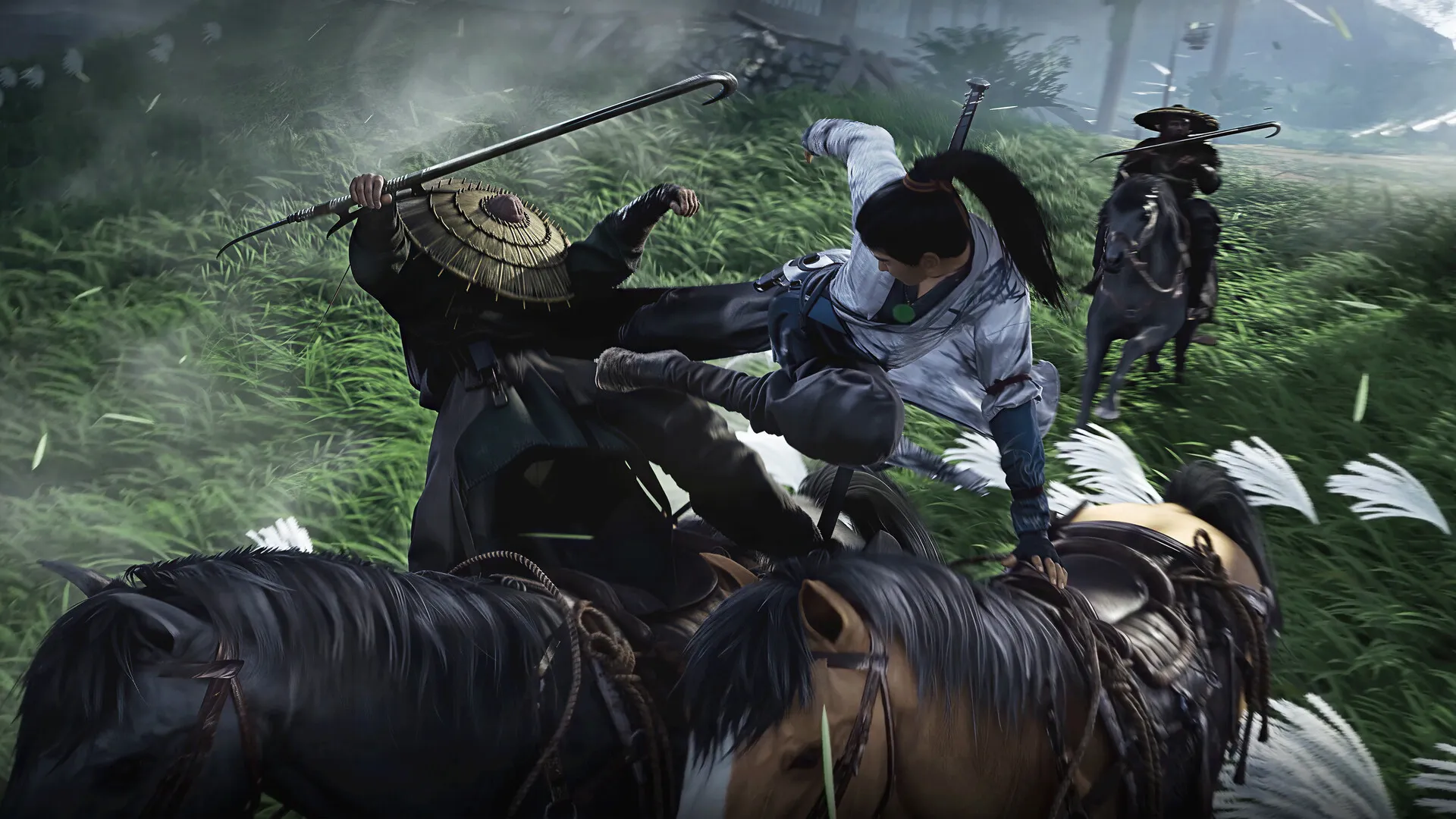
"Where Winds Meet" is an ambitious open-world Wuxia action RPG that blends martial-arts agility, supernatural mysticism, historical drama, and deep role-playing freedom. Mastering this game requires more than fast reflexes—it demands strategic planning, knowledge of its layered systems, and an understanding of how choices ripple across the world. This guide walks you through every stage of becoming a true wandering Wuxia master, using a clean progression from fundamentals to advanced combat, exploration, character building, and late-game mastery.
Whether you prefer swordplay, internal energy techniques, stealth, diplomacy, or pure chaos, this guide will help you master the world, the wind, and the way of Wuxia.
Understanding the Core Identity of Where Winds Meet
Before mastering the world, you must first understand what makes "Where Winds Meet" different. This game is not a typical action RPG—it’s a living martial-arts world built around freedom, morality, and personal growth.
The game combines realistic ancient Chinese landscapes, philosophical storytelling, and high-flying martial-arts combat. Everything you do affects how NPCs treat you, how factions respond, and which paths open.
A key idea: "Where Winds Meet" rewards intent. How you play is who you become.
You are not just performing actions; you are shaping your identity as a wandering swordsman, healer, rogue, or even an official of the imperial court.
Mastering the game starts with mastering this mindset: choices matter, and every technique you learn expands the world rather than just your strength.
Building Your Character Foundation
Before fully diving into combat, exploration, or quests, you must shape your core build. "Where Winds Meet" allows you to design a martial-arts identity through attributes, internal energy cultivation, and chosen fighting styles.
Your attributes influence speed, technique, spirit, and power. Instead of chasing numbers, prioritize synergy. A light, agile build benefits more from dodge-based martial arts, while a heavy internal-energy build prefers powerful strikes and mystical abilities.
Choose your early martial paths wisely—sword, spear, unarmed, dual blades, or mystical arts. Each comes with its own growth path, combo trees, and philosophical direction.
Subheading: Choosing Your Wuxia Identity
Think early about the type of Wuxia hero you want to become. The game encourages specialization before branching out. Starting with a clear identity will make your learning easier.
Mastering Movement and Traversal Freedom
"Where Winds Meet" features one of the most fluid traversal systems in modern RPGs. To master the world, you must master movement. Every technique—from wall-running to water-dashing—unlocks strategic advantages in exploration and combat.
Movement is your first weapon. Being able to reposition quickly, dodge elegantly, and reach elevated positions can completely shift the flow of any battle.
Explore towns by rooftop, forests via tree leaps, and mountains using Qinggong techniques. Pay attention to stamina patterns and the rhythm of jumps; skilled players treat traversal as art.
Movement mastery also unlocks shortcuts, hidden caves, secret bosses, and pathways unavailable to untrained players. Treat the world like a vertical arena, not a flat map.
Subheading: Qinggong as a Combat Tool
Don’t limit movement to exploration. Use Qinggong to evade, reposition, and outmaneuver enemies mid-fight.
Understanding the Combat Philosophy
Combat in "Where Winds Meet" is not hack-and-slash—it’s a dance of timing, energy, defense, and philosophy. Mastery begins with understanding intent behind attacks.
Weapons have different tempos. The sword is versatile and balanced; the spear extends reach and crowd control; fists deliver rapid chaining combos; mystical arts introduce ranged power and elemental transformations.
To succeed, you must learn three fundamentals:
- Timing
- Distance
- Internal energy flow
Perfect parries, timed dodges, and counter-attacks are the heart of high-level dueling. Enemies have patterns and weaknesses. Study them, don't rush.
Subheading: Internal Energy Management
Your cultivation determines how long you can sustain combos, block heavy strikes, or unleash powerful abilities. Never drain your energy recklessly.

Training with Martial Clans and Legendary Masters
The world is filled with secret clans, rogue masters, and traveling martial-arts teachers. Training with them unlocks new abilities, philosophies, and techniques that dramatically evolve your playstyle.
Some masters teach elegant sword stances, others train brutal spear techniques, and some grant mystical arts that blur reality. Choose your mentors based on the identity you want to build.
Many clans require trials, moral decisions, or hidden tasks before accepting you. These trials introduce you to the deeper Wuxia systems—pressure-point attacks, aerial chains, and battlefield meditation.
Joining multiple clans is possible but requires delicate balancing. Some clans will not accept students from rival sects, while others test loyalty with long-term consequences.
Subheading: Learning Through Observation
Watching masters fight reveals secret techniques. Observe, study, and replicate—this is true Wuxia growth.
Using Crafting, Alchemy, and Gear to Strengthen your Path
Crafting is not optional in "Where Winds Meet." It is a major system that influences your survival and combat efficiency. The world offers herbs, minerals, monster cores, and rare materials for forging.
Weapons have levels, but they also have histories. Strengthening a legendary sword requires more than minerals—it may require defeating a mythical beast, restoring an ancient inscription, or passing a spiritual trial.
Alchemy lets you create healing tonics, energy-boosting elixirs, poison powders, and crafting solvents. Carry a balanced mix to handle unexpected encounters.
Armor is lighter than in Western RPGs, but bonuses matter. Pick sets that support your martial path—movement builds benefit from lightweight cloth armor; mystical builds favor robes boosting inner energy; warrior builds prefer reinforced pieces for durability.
Subheading: Don’t Ignore Weapon Affinities
Each weapon has elemental, spiritual, or philosophical affinities. Align these with your build to maximize potential.
Mastering Quests, Choices, and Narrative Freedom
"Where Winds Meet" is shaped by your decisions. It offers branching storylines, multiple endings, faction conflicts, and moral challenges. To master the narrative, treat every quest with intention.
NPCs remember your actions. Helping a village may anger a bandit clan. Choosing to spare an enemy may create an ally later. Dialogue options often open or close martial paths, gear rewards, and storyline arcs.
Make choices based on your character identity, not short-term rewards. The game rewards consistency—heroes who follow a moral code gain special opportunities, while darker characters access forbidden techniques.
Subheading: The Power of Consequences
Unlike many RPGs, consequences unfold slowly. A kind act in the early hours might save your life in the late game.
Exploring the World and Finding Hidden Mysteries
The world of "Where Winds Meet" is vast, layered, and filled with secrets. Mastering exploration is just as important as mastering combat.
Investigate forests, temples, caves, deserts, and forgotten ruins. Each area contains hidden bosses, scrolls, ancient manuals, rare loot, and spiritual puzzles. Use Qinggong movement to reach cliffs, waterfalls, and sky temples.
Pay attention to weather, time, and environmental clues. Many secrets appear only under specific conditions—full moon nights, misty mornings, storms, or after completing certain quests.
Seek out wandering storytellers; their tales often point to hidden treasures or legendary monsters.
Subheading: Trust Curiosity Over Maps
Maps guide you, but curiosity rewards you. The world favors explorers who follow intuition.
Late-Game Mastery and Legendary Boss Encounters
Late-game content tests every skill you’ve acquired. Legendary bosses require mastery of timing, internal energy, combos, weapon switching, and movement.
Bosses vary widely: supernatural beasts, corrupted masters, rogue warriors, assassins, and myth-shifting spirits. Study their rhythms. Boss fights are less about strength and more about adaptation.
Use the environment. Leverage vertical movement, obstacles, and terrain to gain advantage. Switch between martial styles mid-fight to exploit weaknesses.
Late-game also unlocks forbidden martial arts, legendary weapons, spiritual cultivation paths, and endgame faction wars. These systems reshape your build dramatically.
Subheading: Prepare Before Confronting Legends
Carry tonics, assess weaknesses, and enter with clear strategy. Reckless bravery leads to defeat.
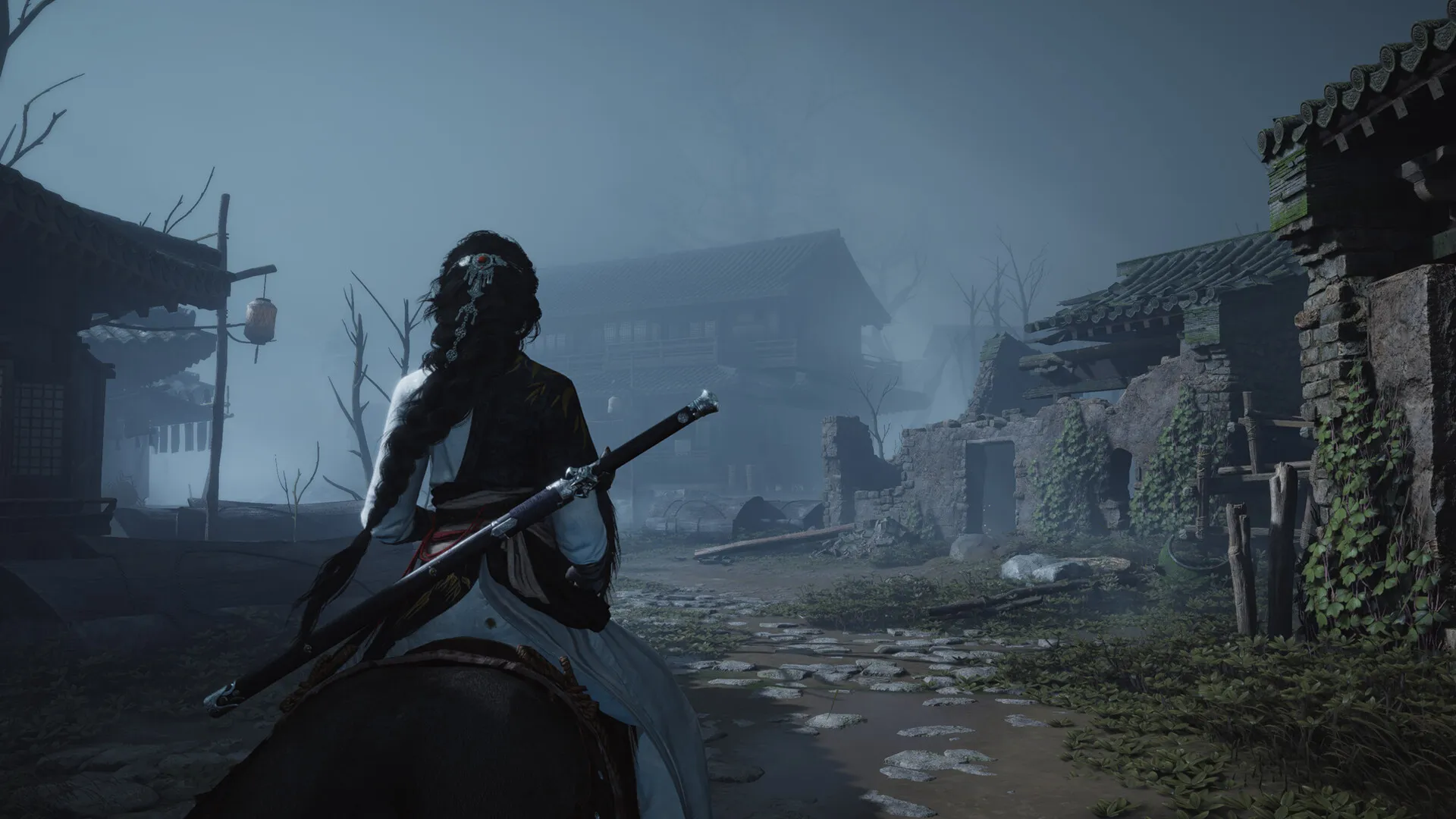
Becoming a True Wuxia Master
Mastery in "Where Winds Meet" is not defined by power level—it is defined by balance, wisdom, and understanding. A true Wuxia hero moves with purpose, fights with philosophy, and acts with integrity.
By building your martial identity, mastering movement, training under wise masters, exploring deeply, and shaping the narrative through meaningful choices, you transform from a wandering swordsman into a legendary figure.
The game offers endless freedom; how you walk the path is your story. Master the world, the wind, and your inner spirit.
Conclusion
"Where Winds Meet" is more than an RPG—it is a personal martial-arts journey built on freedom, philosophy, and mastery. When you blend movement, technique, exploration, and narrative intention, you become more than a player; you become a Wuxia legend writing your own story.