




Ready or Not by VOID Interactive is a tactical first-person shooter that emphasizes realism in law enforcement scenarios. One of the most challenging and defining aspects of the game is hostage rescue operations. These missions require precision, patience, and teamwork. In this article, we’ll explore “how to” master hostage rescues in Ready or Not, structured across ten sections that follow the natural progression of preparation, execution, and reflection.
Understanding Hostage Rescue Basics
Hostage rescue missions are designed to test tactical awareness and decision-making. Players must balance speed with caution, ensuring hostages are secured without escalating violence.
The core principle is control: controlling the environment, suspects, and hostages. Without control, missions quickly spiral into chaos.
Preparing Your Loadout
Choosing the right equipment is critical.
- Non-lethal weapons: Tasers, beanbag shotguns, and pepper spray minimize risk to hostages.
- Breaching tools: Door wedges, flashbangs, and breaching shotguns allow safe entry.
- Protective gear: Heavy armor reduces vulnerability in close encounters.
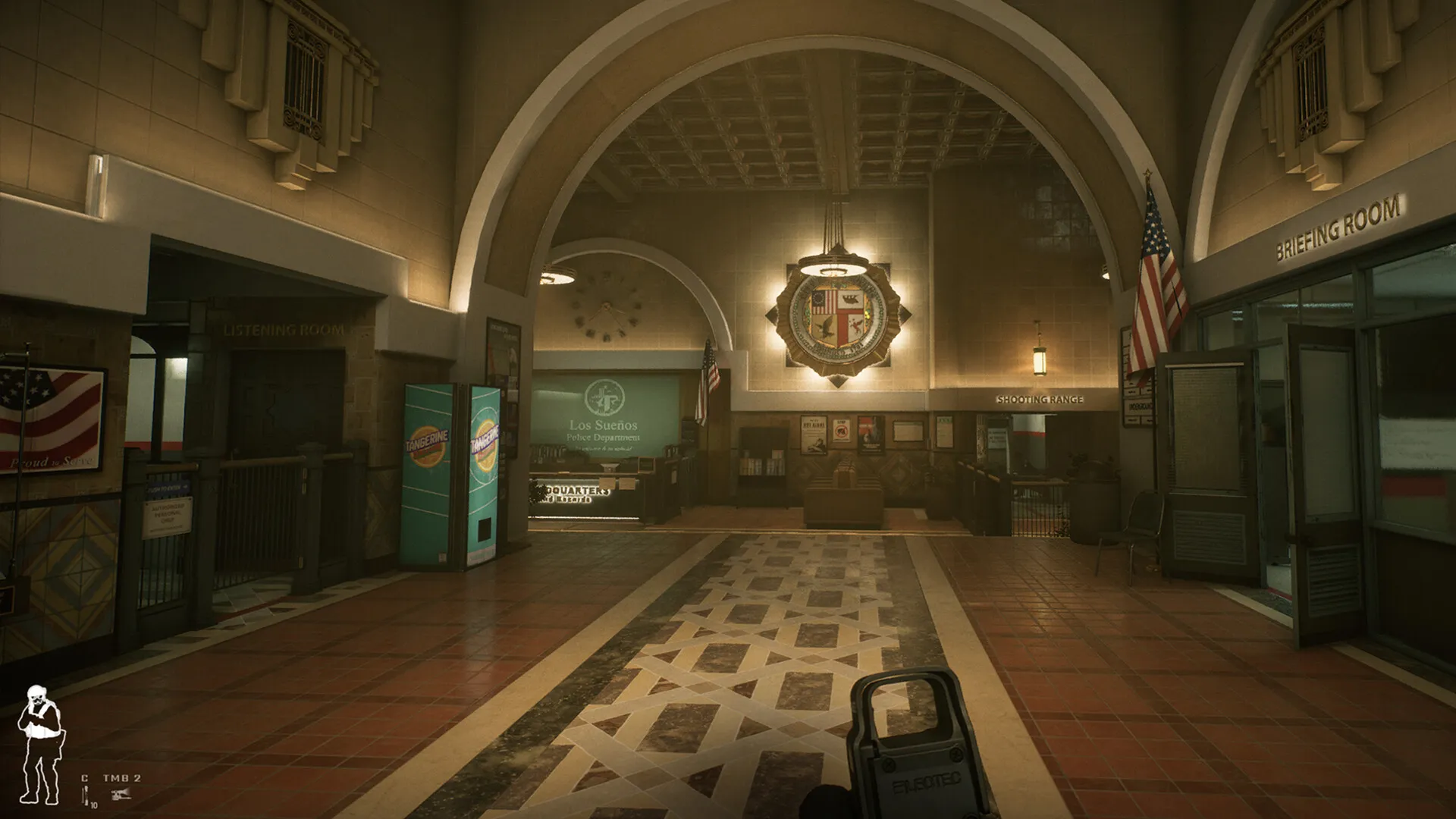
h3: Recommended Loadout
- Primary: Rifle with flashlight
- Secondary: Non-lethal pistol or taser
- Tactical: Flashbangs, wedges, pepper spray
Planning the Approach
Before entering, study the map and assign roles.
- Team leader: Coordinates movements.
- Breacher: Handles doors and entry points.
- Cover officer: Protects hostages during extraction.
h4: Key Planning Steps
- Identify entry points.
- Assign responsibilities.
- Establish communication signals.
Securing Entry Points
Hostage missions often fail due to uncontrolled entry.
Use wedges to block doors, ensuring suspects cannot flank. Breach with flashbangs to disorient enemies before moving in.
Patience is vital—rushing increases the risk of hostages being harmed.
Managing Hostage Behavior
Hostages in Ready or Not may panic, flee, or freeze.
Players must issue clear commands and escort them to safety zones.
Dynamic AI means hostages may run into danger, requiring constant vigilance.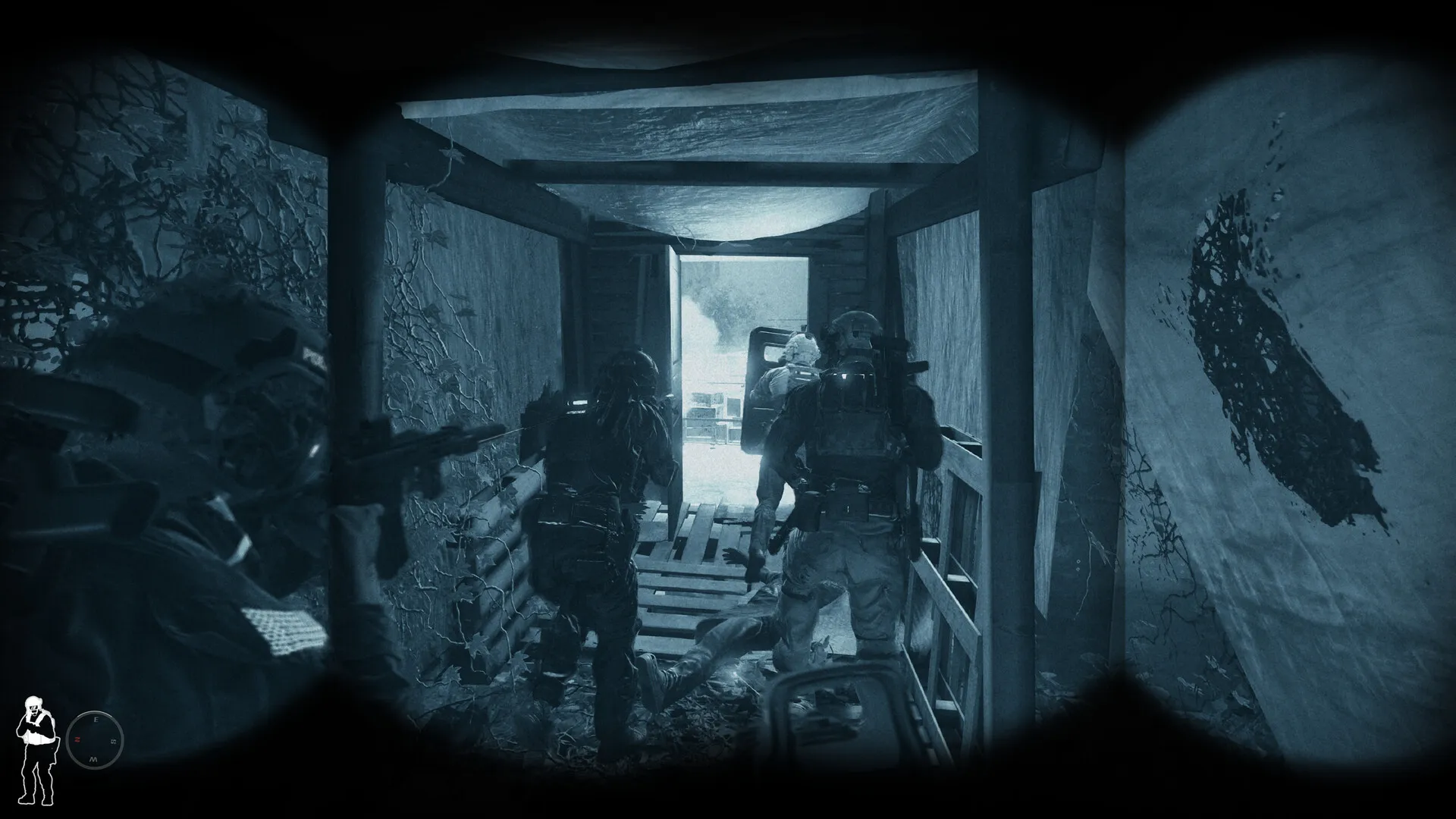
Neutralizing Threats Safely
Suspects often use hostages as shields.
Non-lethal force is preferred, but lethal engagement may be necessary if hostages are at immediate risk.
Always prioritize minimizing collateral damage.
Communication and Teamwork
Hostage rescues demand seamless communication.
Use voice commands or in-game chat to coordinate.
Teams that fail to communicate often lose hostages due to missteps.
Handling Ethical Dilemmas
Accidental hostage deaths raise ethical questions.
Should players be penalized harshly? The game enforces strict consequences, reflecting real-world stakes.
This forces players to weigh every decision carefully.
Learning from Failures
Failure is part of the process.
Reviewing mission replays helps identify mistakes—whether poor planning, miscommunication, or reckless engagement.
Adapt strategies based on lessons learned.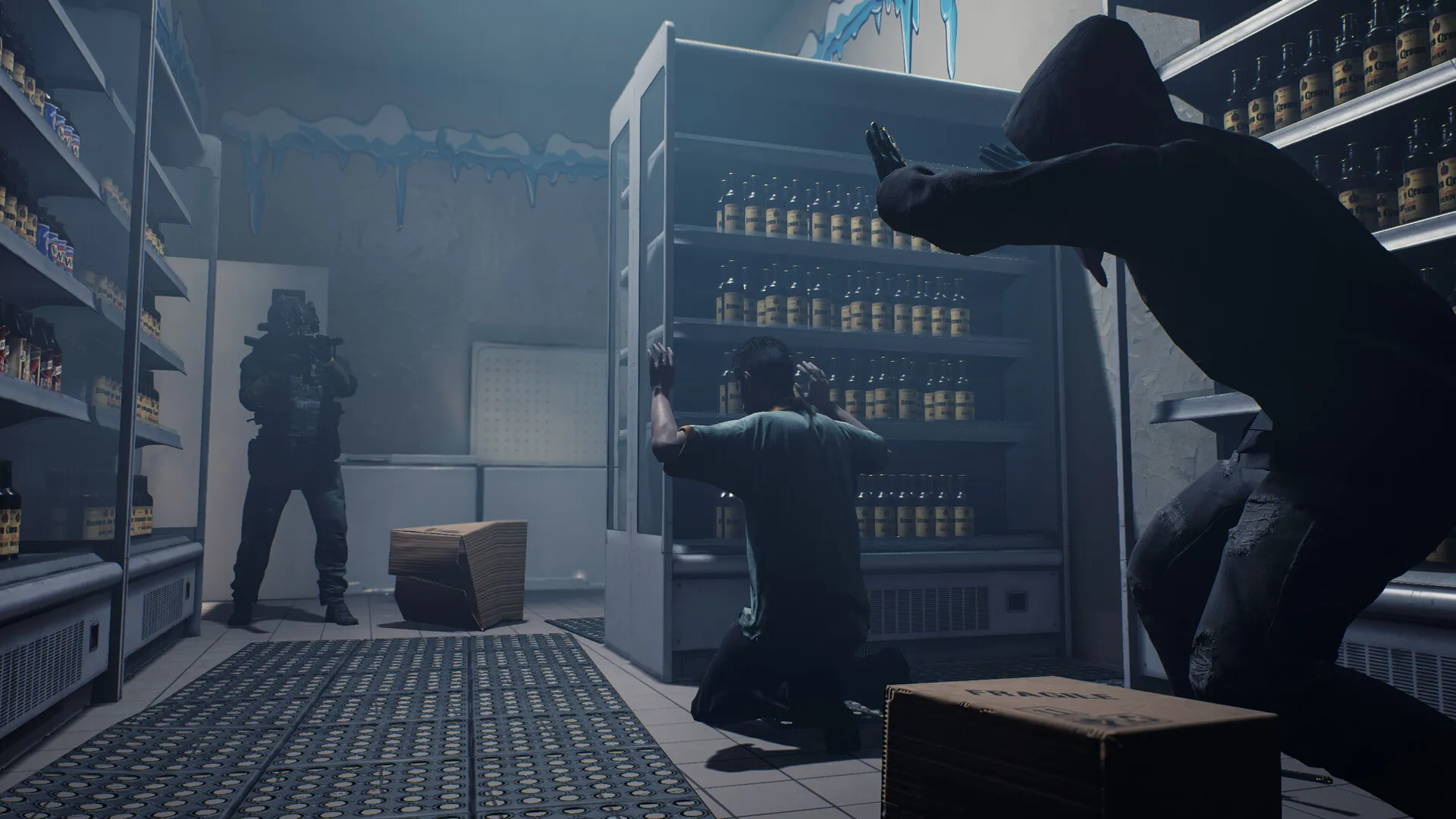
Future Improvements and Player Adaptations
VOID Interactive continues refining hostage AI. Future updates may include negotiation mechanics and expanded emotional responses.
Players adapt by prioritizing hostages early, using non-lethal tools, and refining teamwork.
Conclusion
Mastering hostage rescue in Ready or Not requires preparation, patience, and adaptability. From loadout selection to ethical decision-making, every step influences success. The game’s realism ensures that hostage scenarios remain tense and rewarding, pushing players to think critically and act responsibly.