






Ready or Not by VOID Interactive is a tactical first-person shooter that demands precision, patience, and teamwork. Unlike traditional shooters, it emphasizes realism in law enforcement scenarios. To succeed, players must master not only combat but also communication, planning, and ethical decision-making. This article provides a comprehensive Tips & Guides walkthrough, structured across ten sections that follow the natural flow of preparation, execution, and reflection.
Understanding the Core Mechanics
Ready or Not is built around realism. Every bullet, command, and decision carries weight.
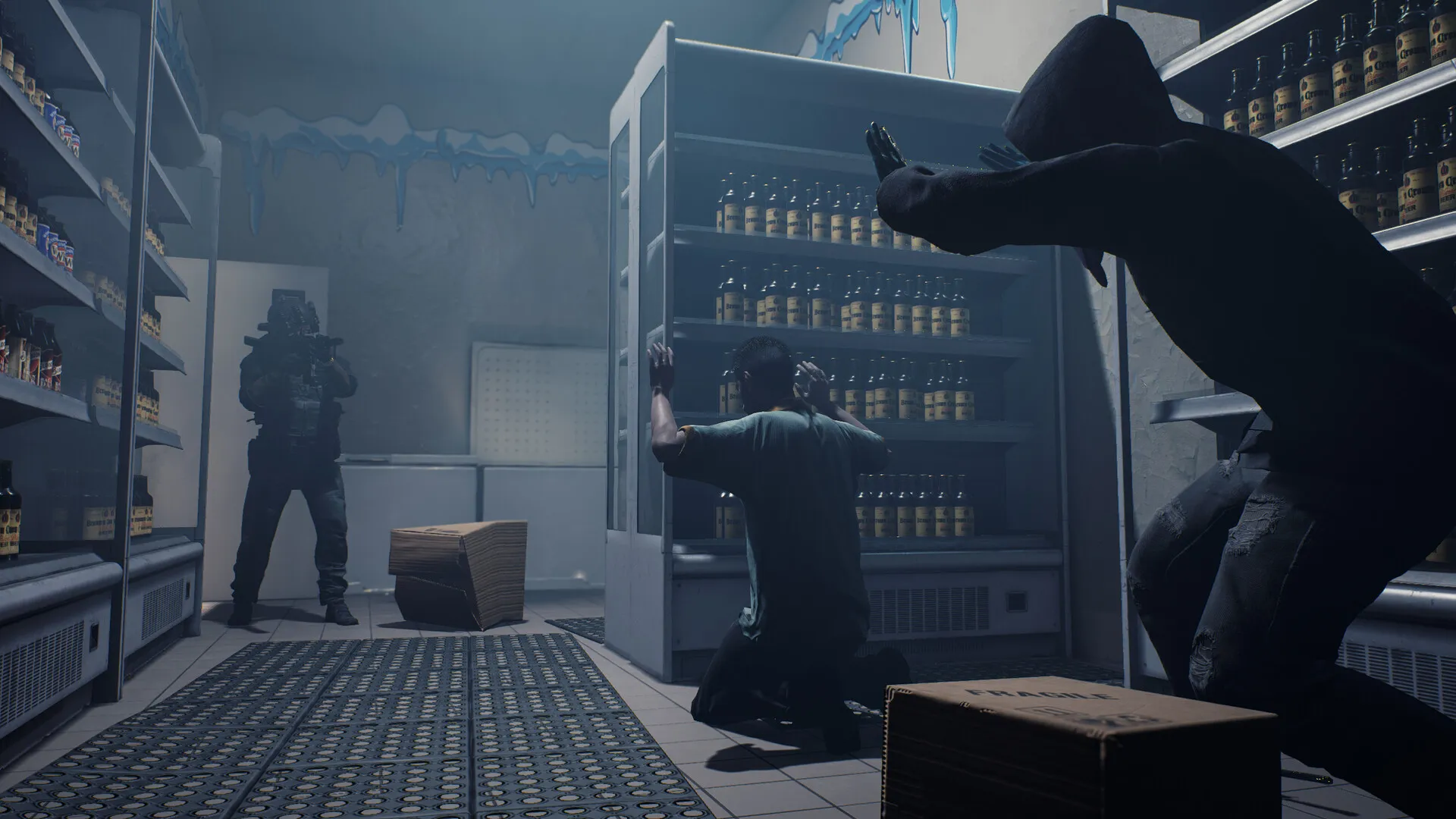
Players must understand the basics: suspects can surrender or resist, hostages panic, and missions fail if rules of engagement are broken.
h3: Key Mechanics
- Suspects may comply or fight back.
- Hostages react dynamically to danger.
- Evidence collection impacts mission rating.
Choosing the Right Loadout
Your equipment defines your approach.
Non-lethal tools are essential for minimizing risk, while rifles and armor provide security in hostile encounters.
h4: Recommended Gear
- Primary: Rifle with flashlight.
- Secondary: Taser or beanbag shotgun.
- Tactical: Flashbangs, wedges, pepper spray.
Planning Before Entry
Preparation is half the battle.
Study the map, assign roles, and establish communication signals. Teams that plan thoroughly succeed more often.
h3: Roles to Assign
- Team Leader: Coordinates strategy.
- Breacher: Handles doors and entry points.
- Cover Officer: Protects hostages during extraction.
Securing Entry Points
Uncontrolled entry leads to chaos.
Use wedges to block doors, flashbangs to disorient suspects, and patience to avoid rushing into traps.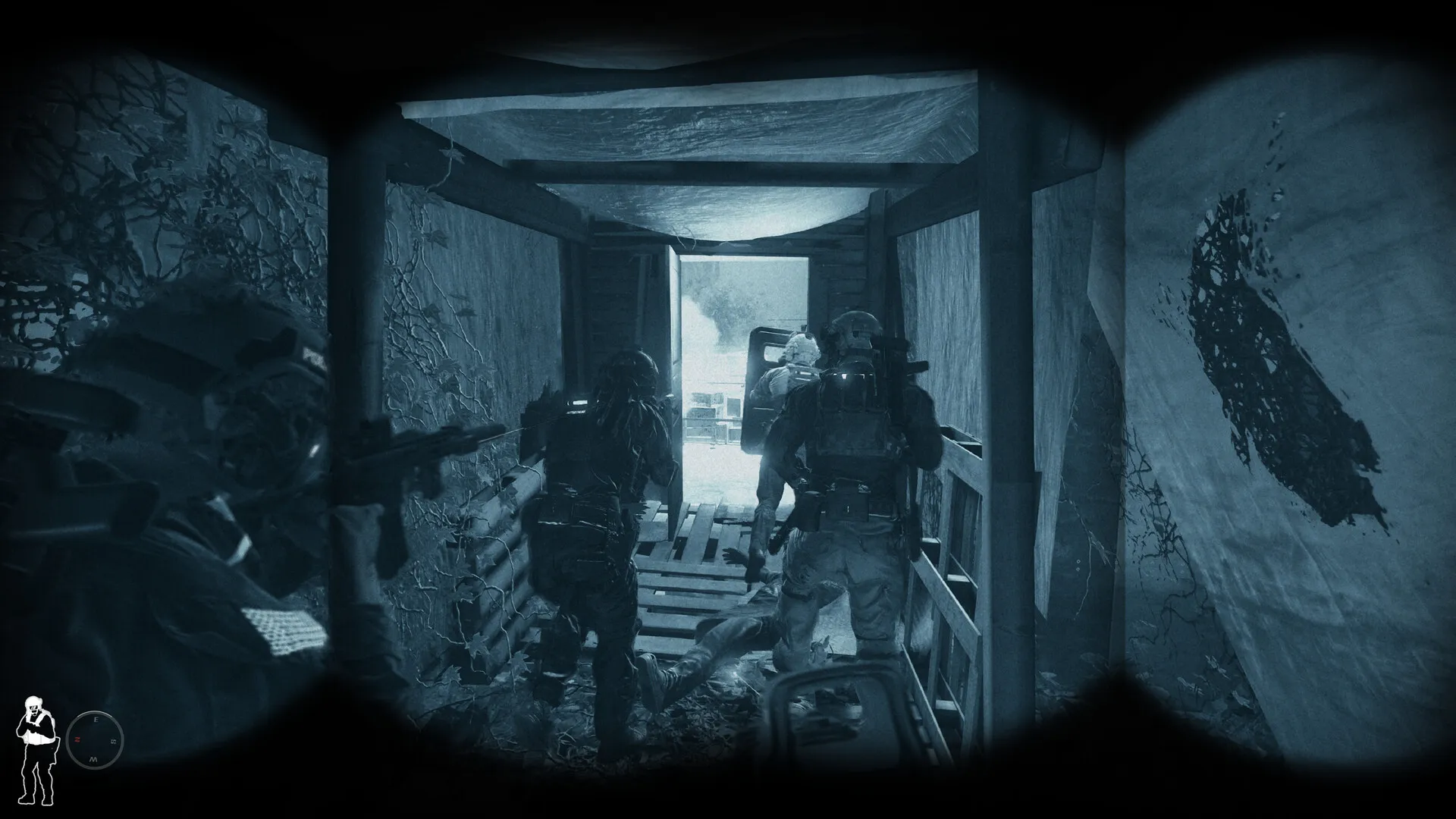
Managing Hostages
Hostages are unpredictable.
They may panic, flee, or freeze. Escort them to safety zones quickly, and always keep an officer assigned to protection.
Neutralizing Threats
Suspects often use hostages as shields.
Non-lethal force is preferred, but lethal engagement may be necessary if hostages are at immediate risk.
h4: Threat Management Tips
- Use flashbangs to disorient suspects.
- Prioritize hostages over suspects.
- Avoid reckless gunfire.
Communication and Teamwork
Success depends on seamless communication.
Use in-game voice commands or chat to coordinate. Miscommunication often leads to mission failure.
Handling Ethical Dilemmas
Accidental hostage deaths raise ethical questions.
The game enforces strict penalties, reflecting real-world stakes. Players must weigh every decision carefully.
Learning from Failures
Failure is part of the process.
Review mission replays to identify mistakes—whether poor planning, miscommunication, or reckless engagement. Adapt strategies accordingly.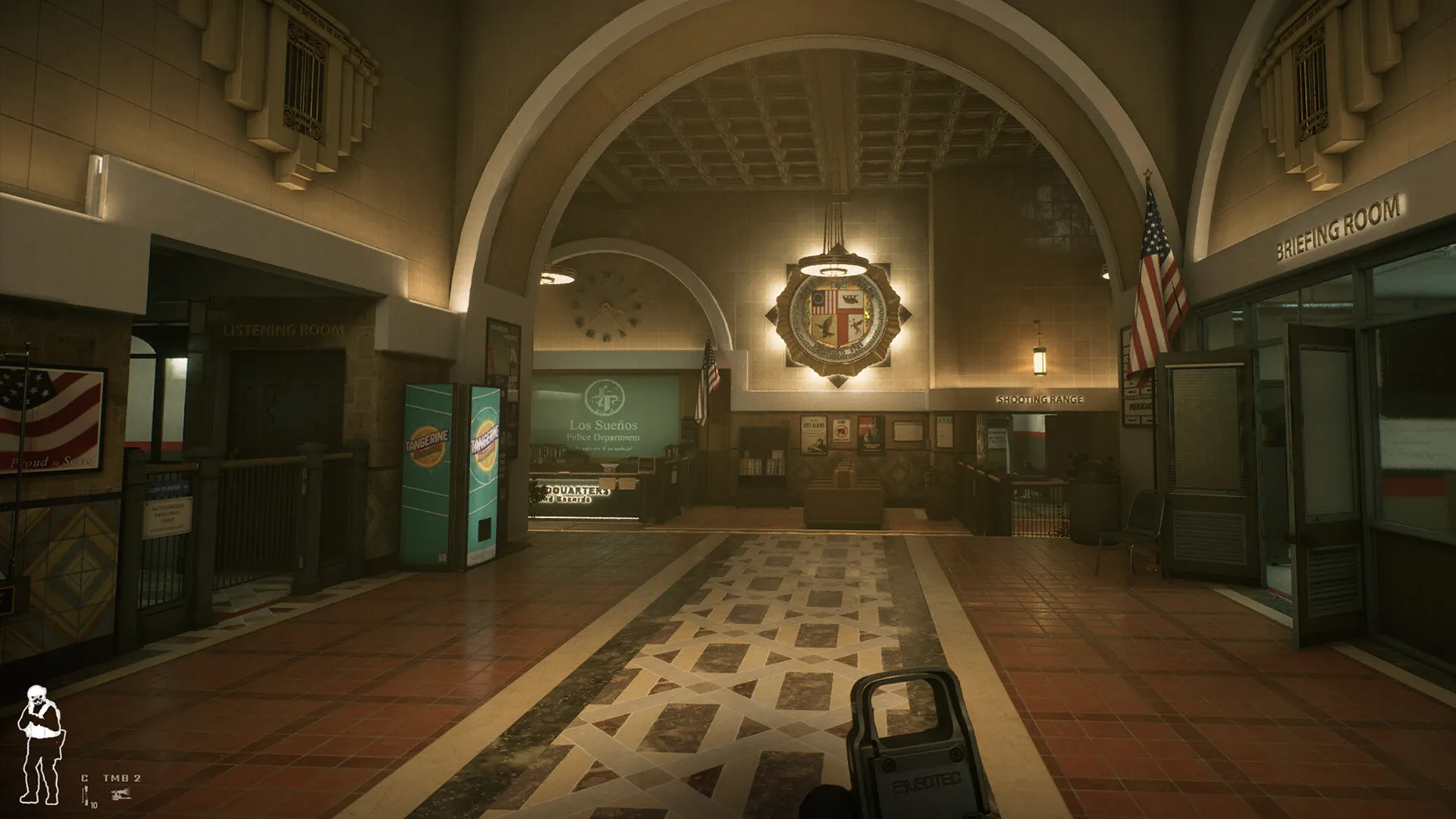
Future Updates and Player Adaptations
VOID Interactive continues refining AI and mechanics.
Future updates may include negotiation systems and expanded emotional responses. Players adapt by prioritizing hostages early and refining teamwork.
Conclusion
Ready or Not is more than a shooter—it’s a test of tactical discipline. By mastering loadouts, planning, communication, and ethical decision-making, players can elevate their hostage rescue missions from chaotic firefights to controlled operations. The game rewards patience and teamwork, making every successful mission a testament to preparation and skill.