.webp)
THE PROCEDURAL PARADOX: REMNANT’S RANDOMIZED WORLDS DELIVER REPLAYABILITY AT THE COST OF NARRATIVE FRAGMENTATION
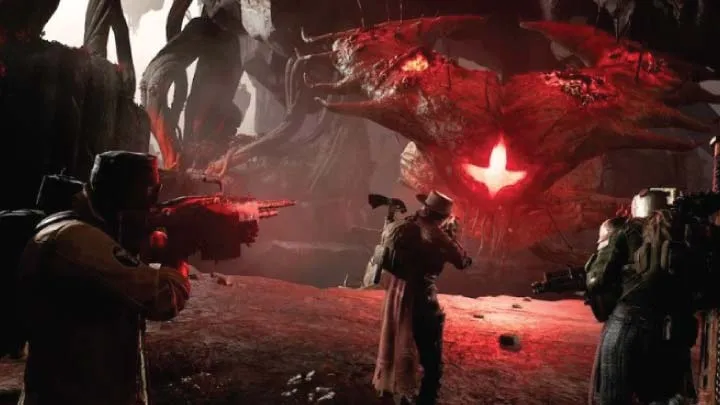
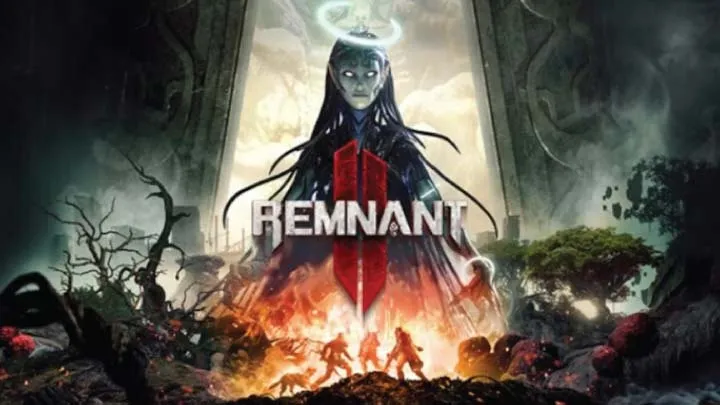
Remnant 2 thrusts players into a shattered multiverse of nightmarish realms where ancient evils clash with desperate survivors. The game’s haunting visuals — from the glowing red crystal of a corrupted guardian to fire-lit ruins teeming with grotesque aberrations — create an atmosphere of unrelenting dread and wonder. Yet beneath its co-op shooter-soulslike hybrid lies a core tension: the procedural generation system that powers endless variety while undermining cohesive storytelling and consistent world-building.
This article dives deep into how Remnant’s reliance on randomized layouts, events, and encounters creates a double-edged sword. It fuels incredible replayability and build experimentation but often fragments the narrative drive, leaving players with brilliant moments disconnected from a unified emotional arc.
The Genesis of Procedural Design in Remnant
Remnant 2 builds upon the foundation of From the Ashes by expanding procedural generation across multiple worlds. Each campaign roll creates unique zone sequences, boss placements, and side events. This design choice aims to make every playthrough feel fresh, encouraging players to experiment with different Archetypes and team compositions.
The ambition is clear: avoid the static repetition common in traditional action RPGs. However, this randomization introduces inconsistency in pacing. A player might encounter a deeply personal story segment early in one run only to face filler combat arenas in another, disrupting the intended emotional flow of the campaign.
Earth’s Wastelands: Familiar Ground Meets Unpredictable Horror
Returning to a devastated Earth sets a grim tone with ruined cities overrun by Root creatures. Procedural elements shine here through dynamic enemy patrols and hidden safe rooms that change per session.
Despite strong atmosphere, the randomization can dilute key lore drops. Important NPC interactions or world-building artifacts sometimes appear too late or get skipped entirely depending on the seed. This creates frustration for story-focused players who want a consistent journey through humanity’s fall.
N’Erud: Technological Dread and Layout Chaos
The derelict spaceship world of N’Erud delivers some of the game’s most visually striking and oppressive environments. Vast metallic corridors filled with malfunctioning drones and ancient alien horrors test both combat skill and spatial awareness.
Procedural generation here leads to brilliant emergent moments — sudden zero-gravity sections or collapsing walkways — but also to repetitive dead-end corridors that feel artificially extended. Navigation puzzles lose impact when their solutions vary wildly between runs, making mastery feel less rewarding.
Losomn: Dreamlike Intrigue Fragmented by Random Events
The gothic, fairy-tale inspired realm of Losomn stands out for its dual-court intrigue and haunting beauty. Candlelit palaces and blood-soaked streets offer rich narrative potential through faction choices and hidden truths.
However, the procedural system often scatters key story threads. A compelling side quest involving royal succession might trigger in one playthrough but remain inaccessible in another. This inconsistency weakens the thematic weight of madness and illusion that defines the world.
Yaesha: Jungle Mysticism and Boss Placement Variability
The dense, overgrown jungles of Yaesha blend tribal mysticism with ancient guardians. Dynamic weather effects and hidden temples create memorable exploration loops enhanced by co-op discovery.
The specific issue emerges with major boss encounters. Their placement and even encounter mechanics can shift dramatically, sometimes resulting in back-to-back difficulty spikes that overwhelm underprepared teams. While exciting for veterans, it risks alienating players seeking balanced progression.
Archetype Synergy: Building Identity in a Chaotic Multiverse
Remnant 2’s Archetype system allows deep customization, from the tanky Challenger to the ranged Hunter or support Medic. Procedural worlds force players to adapt builds on the fly as enemy compositions change.
This flexibility is a highlight, rewarding creative loadouts and ring synergies. Yet the randomization can invalidate carefully planned strategies. A melee-focused build might struggle in a seed heavy with flying enemies, creating moments where player agency feels undermined by the game’s own systems.
Co-op Dynamics: Shared Chaos and Communication Strain
The game shines brightest in cooperative play, where friends tackle randomized threats together. Procedural events foster memorable “holy shit” moments as teams scramble to survive ambushes or solve puzzles collaboratively.
The paradox deepens here. Voice chat and coordination become essential, but inconsistent world layouts make teaching new players difficult. One friend’s optimized run can feel completely alien to another, leading to mismatched expectations and occasional friction within groups.
Combat Feedback and Enemy Variety Across Seeds
Gunplay in Remnant feels weighty and satisfying, with mutators and weapon mods creating explosive synergies. Procedural enemy waves keep combat fresh across dozens of hours.
However, the system occasionally spawns unfair combinations — swarms paired with one-shot mechanics that ignore cover — that frustrate rather than challenge. Hitbox inconsistencies during randomized animations further compound the issue, making precise dodging feel inconsistent across different world rolls.
Narrative Threads: Connecting the Procedural Dots
Story elements in Remnant 2 weave through multiple worlds via overarching threats like the Root. Clever environmental storytelling and collectible lore attempt to maintain continuity.
Despite these efforts, procedural fragmentation often leaves major plot points feeling disjointed. Players might miss pivotal revelations simply due to unlucky generation, reducing the multiverse-spanning epic to a series of disconnected vignettes rather than a unified saga.
Endgame and Replay Loops: The Grind of Endless Variation
Adventure mode and post-campaign content leverage procedural generation for endless endgame activities. New archetypes, legendary weapons, and higher difficulties provide strong motivation for repeated runs.
The bloat appears in the form of repetitive key dungeon layouts that begin to blur together after multiple campaigns. While variety exists, the lack of hand-crafted endgame narratives makes long-term engagement rely heavily on loot chasing and meta optimization rather than meaningful progression.
Community Evolution and Design Lessons
The Remnant community has embraced the chaos, sharing seed discoveries and build guides that enhance the procedural experience. Patches have improved consistency in key areas while preserving replayability.
Looking forward, the developers face the challenge of refining randomization without sacrificing what makes the game special. Future updates could benefit from optional “narrative-focused” seeds that prioritize story coherence alongside pure randomness.
Conclusion
Remnant 2’s procedural generation stands as a bold technical and design achievement that delivers unparalleled replayability and emergent storytelling in a dark multiverse. Yet this same system creates a persistent paradox: brilliant individual moments often fail to coalesce into a cohesive narrative experience, leaving players with fragmented emotional investment despite masterful combat and world aesthetics. As the series evolves, mastering the balance between chaos and clarity will determine whether Remnant cements itself as a genre-defining classic or remains a cult favorite defined by its highs and inconsistencies. The game’s haunting beauty and punishing challenge ensure it will linger in players’ minds long after the final shot echoes through the ruins.