




The Genesis of Tactical Portability: Transposing the Crossfire DNA
The arrival of Crossfire: Legends wasn't just another mobile port; it was an ambitious attempt to shrink a massive PC subculture into the palm of a hand. In the early days, the game mirrored its predecessor’s gritty, skill-based roots. Players focused on mastering the "M4A1-S" or the "AK-47," where the primary differentiator was recoil control and map knowledge. This era was defined by a technical purity—a period where the hardware limitations of mobile devices forced a focus on core mechanics over flashy aesthetics.
As the player base expanded, the developers faced a critical fork in the road. They needed to monetize a free-to-play model without alienating the competitive core. This led to the introduction of the first "Purple" grade weapons. These weren't game-breakers yet, but they planted the seeds for a shift in the game's identity. The initial satisfaction came from the "click" of a headshot, but the market was beginning to crave something more visually distinct and numerically superior.
The Technical Constraints of Early Mobile FPS
- Latency Management: How the game handled "peeker's advantage" on 4G networks.
- Aim Assist Tuning: The delicate balance between helping players on touchscreens and maintaining a high skill ceiling.
- Asset Compression: Delivering high-fidelity gun models within a 2GB app limit.
The VIP Epoch: The Emergence of the Transformative "Hero" Tier
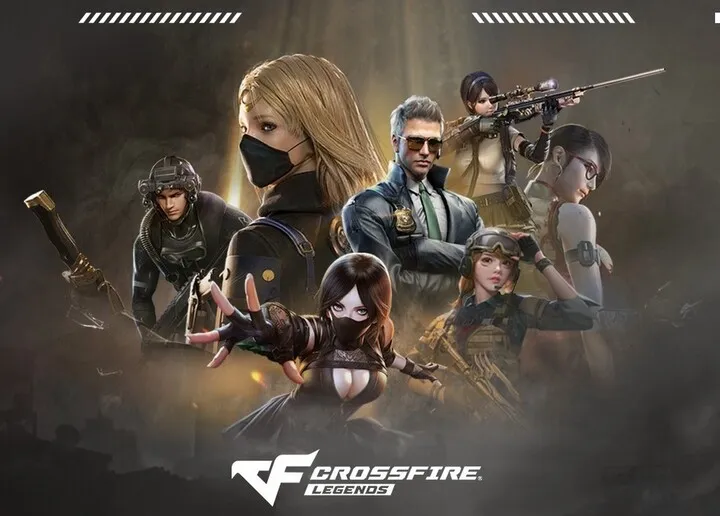
The turning point in Crossfire: Legends history was the introduction of VIP (Hero) Weapons. These were not merely reskins; they were mechanical overhauls. Weapons like the M4A1-Born Beast or the AK-47-Iron Beast introduced "passive buffs" that fundamentally altered the flow of a match. For the first time, owning a weapon gave you faster reload speeds, increased ammo capacity, and, crucially, XP boosts for everyone in the lobby.
This shift created a new social class within the game. A player wielding a "Beast" weapon wasn't just a threat; they were a benefactor. The glowing red eyes of the weapon models became a symbol of status. This era marked the transition from a "Tactical Shooter" to a "Hero-Tactical Hybrid," where the tool you carried was as important as your ability to aim it.
Anatomy of a Hero Weapon
- Visual Feedback: Unique kill icons and reload animations.
- Statistical Edge: Marginal increases in draw speed and recoil recovery.
- Social Utility: Global buffs that encouraged players to stay in a lobby with a VIP owner.
The Power Creep Paradox: Balancing Fairness and Revenue
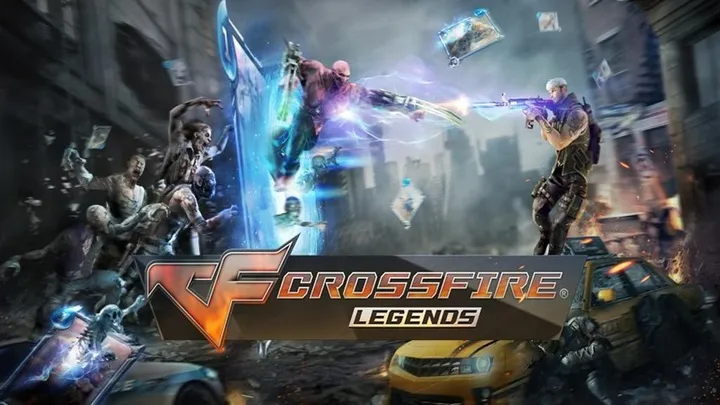
As more "Hero" weapons entered the ecosystem, the game faced the "Power Creep Paradox." To keep players buying new crates, each subsequent release had to offer something slightly better than the last. This led to the introduction of weapons with specialized "PVE" or "Zombie Mode" perks that bled into the "PVP" experience. The community began to fragment: the "Free-to-Play" (F2P) purists versus the "Whales" who possessed the latest transformative gear.
However, the developers attempted to mitigate this through the "Weapon Refinement" and "Awakening" systems. By allowing players to grind for materials to upgrade older weapons, they created a bridge between the tiers. Yet, the gap remained. The technical reality was that a "Hero" weapon reduced the margin for error, meaning an F2P player had to play near-perfectly to overcome the raw statistical advantages of a VIP opponent.
The Aesthetic Shift: From Mil-Sim to "Cyber-Fantasy"
Chronologically, the middle life of Crossfire: Legends saw a radical departure from its military-sim roots. The weapon designs moved toward the "Cyber-Fantasy" aesthetic. We saw guns wrapped in dragon scales, weapons that looked like ancient artifacts, and neon-drenched futuristic rifles. This wasn't just a stylistic choice; it was a psychological one. The game was no longer selling a soldier fantasy; it was selling a "Legend" fantasy.
This shift affected map design as well. Newer maps moved away from dusty warehouses to futuristic laboratories and celestial temples to match the vibrant energy of the new weapon skins. The visual noise increased, forcing players to adapt their visual processing speeds. Identifying an enemy in a split second became harder when that enemy was glowing with the aura of a Barrett-Aurora.
Impact on Competitive Visibility
- Muzzle Flash Variations: Some skins obscured the shooter’s vision less than others.
- Footstep Audio: Certain character skins (like the "Hidden" or "Ghost" variants) had subtler audio cues.
- Model Slimming: Female character models were often preferred in high-level play due to perceived (though often debated) smaller hitboxes.
The Rise of the "Ghost Mode" Subculture
While the "Hero" weapons dominated Team Deathmatch, a unique technical subculture flourished in Ghost Mode. This mode was a masterclass in sound engineering and patience. The "Ghosts" were invisible while stationary and became slightly visible while moving, armed only with knives. The "Mercenaries" had to rely entirely on "breath-listening"—the act of using high-quality headphones to pinpoint a Ghost’s location by the sound of their breathing.
This mode bypassed the "Pay-to-Win" complaints because "Hero" guns didn't help you hear better. It became the sanctuary for the most skilled players. The technical depth here was immense; players learned "Bunny Hopping" techniques (stealth jumping) to move at high speeds while remaining invisible. It turned Crossfire: Legends into a horror-thriller, showcasing a depth that few other mobile FPS titles could replicate.
The Global Competitive Circuit and the "Pro" Standard
As the game matured, Tencent and its partners pushed for a formal Esports scene. This required a strict "Competitive Standard" (CS) for weapons. In tournament play, many of the "Hero" buffs were disabled or certain weapons were banned entirely to ensure a level playing field. This created two parallel versions of the game: the "Ladder" (where money could buy an edge) and the "Tournament" (where only skill mattered).
The technical mastery displayed by pro players—using four-finger "claw" grips on tablets—pushed the game’s engine to its absolute limits. Watching a pro player navigate "Blackhawk" or "Desert Storm" was a lesson in micro-movements. They exploited the game’s movement interpolation to "glide" around corners, a technique that required frame-perfect timing.
Professional Control Schemes
The Claw Grip Evolution
- Index Fingers: Responsible for shooting and crouching.
- Thumbs: Responsible for movement and aiming.
- Result: The ability to jump, aim, and fire simultaneously, mimicking PC-level mobility.
The Transformation of the "Crate" System: Psychological Engineering
The way players acquired these "Hero" weapons was through the "Transformative Crate" system, a sophisticated loot box mechanic. Unlike simple RNG, many of the later crates in Crossfire: Legends used a "Luck Value" system. Every unsuccessful pull increased your chances, eventually guaranteeing the top-tier item. This was a masterstroke in player retention.
This system turned the game's economy into a "sunk cost" journey. Players felt they were "investing" in a weapon rather than gambling for it. The ceremony of opening a crate—the lights, the sound of the metal turning, the final reveal—was engineered to be as dopamine-inducing as the gameplay itself. This deep integration of gambling mechanics into the progression system became a hallmark of the game’s middle-to-late lifecycle.
The PVE Integration: The "Titan" and "Zombie" Diversions
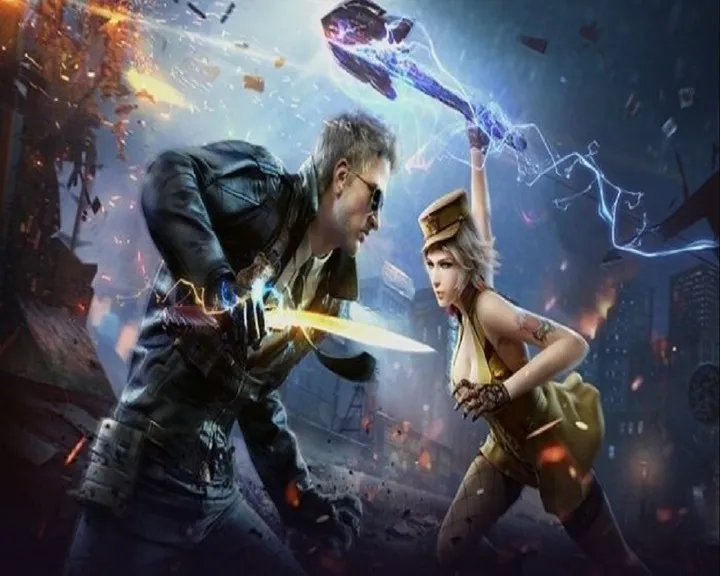
To break the monotony of the "Hero" weapon arms race in PVP, Crossfire: Legends introduced massive PVE (Player vs. Environment) raids. This was a technical feat for mobile devices at the time, featuring large-scale bosses like the "Titan" or "World Bosses" that required 20 players to coordinate in real-time.
In these modes, the "Hero" weapons finally found their "moral justification." Their overpowered nature was necessary to take down bosses with millions of hit points. This created a cycle where players would buy weapons for PVE, then bring them back into PVP to show them off. It successfully broadened the game's appeal, catering to those who preferred cooperative play over the high-stress environment of Ranked matches.
The Sunset of an Era: Legacy and Transition
Eventually, the landscape of mobile gaming shifted toward Battle Royale titles like PUBG Mobile and Call of Duty: Mobile. Crossfire: Legends began to see its player base migrate. However, the game didn't just disappear; it evolved. The lessons learned in Legends regarding weapon tiers, "breath-listening" mechanics, and mobile Esports layouts laid the groundwork for future titles.
The "Legends" era is remembered as a time of excess and experimentation. It was a game that tried to be everything: a gritty shooter, a fantasy RPG, a horror game, and a competitive sport. While the "Hero" weapons remain controversial for their impact on balance, they undoubtedly provided the game with a unique visual and social flair that defined a specific generation of mobile gamers.
Conclusion: The Final Analysis of a Mobile Icon
In retrospect, Crossfire: Legends was more than a game; it was a complex social experiment in digital ownership and tactical adaptation. It proved that a mobile FPS could have the same depth—and the same controversies—as its PC counterparts. The "Hero" weapon economy, while disruptive, created a level of engagement and "skin in the game" that fueled the title for years.
Whether you viewed it as a masterpiece of mobile engineering or a cautionary tale of monetization, its impact is undeniable. It pushed the boundaries of what touchscreens could do and how a community could be built around a "freemium" competitive model. As we look at modern shooters today, we see the fingerprints of Crossfire: Legends in every "Mythic" skin and every "Ranked" season.