The Hidden Cost of Growth: Why Belt Throughput Becomes Factorio's Most Critical Scaling Problem
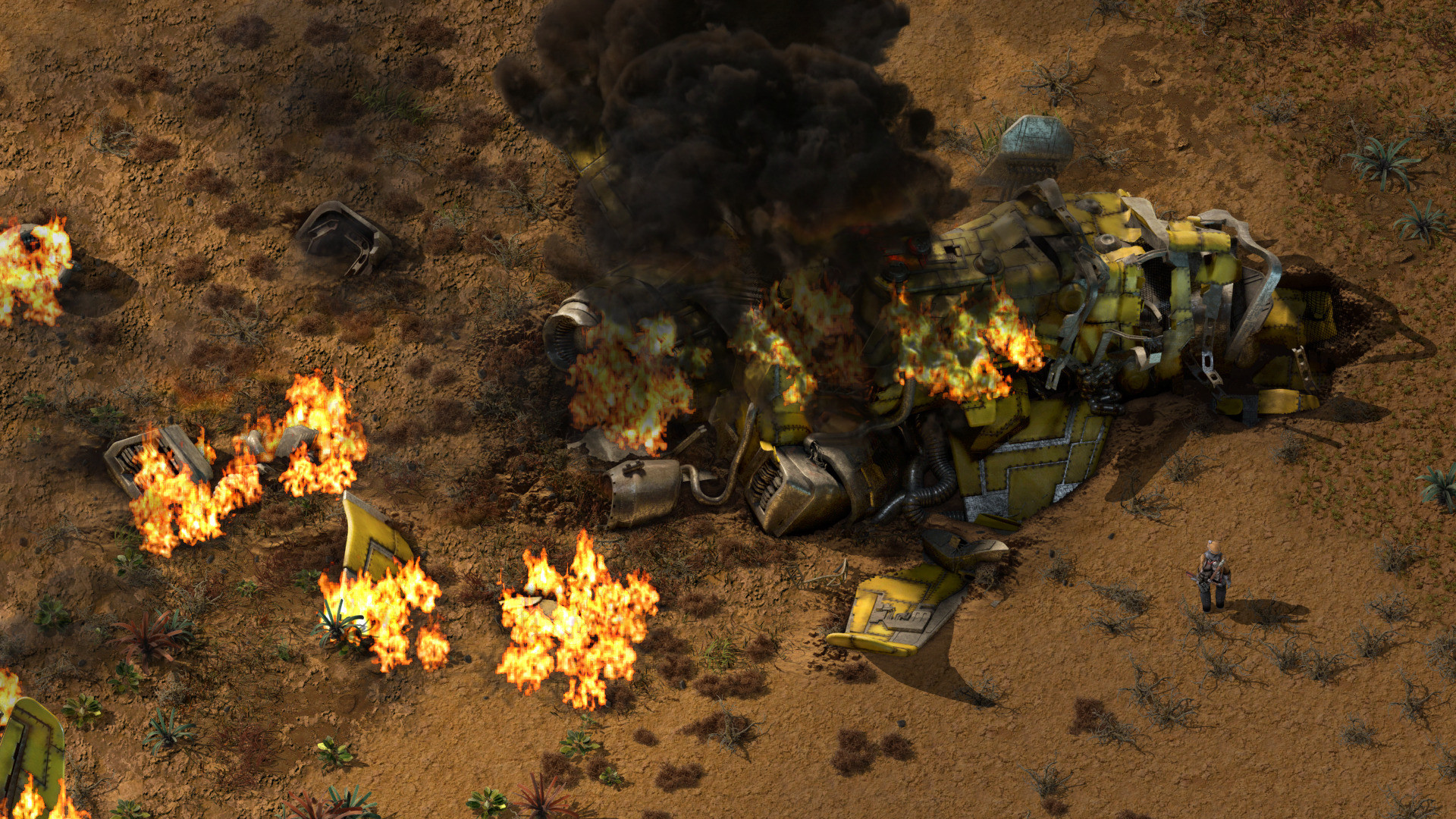
Factorio is often described as a game about automation, engineering, and optimization. Developed by Wube Software, it challenges players to transform a hostile alien planet into an industrial powerhouse capable of launching a rocket into space. Every machine, conveyor belt, inserter, train, and production line exists to serve one overarching objective: build a factory that continuously expands itself.
New players typically believe the greatest challenges are defending against alien attacks or producing increasingly complex science packs. Experienced engineers, however, recognize a different reality. As factories grow beyond their early stages, the greatest obstacle is rarely production itself. Instead, the limiting factor becomes belt throughput—the maximum amount of material a transportation network can move every second.
Every advanced production chain depends on thousands of individual items traveling efficiently across the factory. Iron plates, copper plates, circuits, gears, plastic, sulfur, and advanced components all compete for limited transportation capacity. When belts become saturated, production stalls, machines idle, and carefully balanced factories gradually lose efficiency despite having sufficient raw materials.
This article examines one of Factorio's most significant late-game design challenges: how belt throughput evolves into the defining bottleneck of large-scale factory expansion. While production buildings create resources, transportation networks determine whether those resources ever reach their destinations.
Early Factories Hide Transportation Problems
The first hours of Factorio rarely expose throughput limitations.
Players build:
- Mining drills
- Stone furnaces
- Basic conveyor belts
- Small assembly machines
Production demands remain low enough that even primitive logistics appear sufficient.
Transportation Feels Unlimited
A single yellow transport belt can easily carry enough iron ore to support early automation.
Small production lines rarely consume enough materials to overwhelm transportation.
Because factories occupy limited space, travel distances remain short and resource movement appears effortless.
Growth Masks Future Constraints
Early success creates a misleading assumption.
Players often believe that expanding the factory simply requires adding more machines.
Initially, this works.
Later, transportation becomes the true limiting resource.
Science Progression Multiplies Material Demand
Research steadily increases production complexity.
Each new science pack introduces additional manufacturing layers.
Production Chains Expand
A single advanced science pack may require:
- Iron plates
- Copper plates
- Steel
- Plastic
- Batteries
- Processing units
- Engines
Every intermediate product requires its own supply chain.
Material Volume Explodes
Producing one item is simple.
Producing thousands every minute is an entirely different engineering challenge.
Factories begin consuming complete belts of materials rather than individual stacks.
Transportation demand increases exponentially.
Belt Saturation Creates Invisible Bottlenecks
Unlike machines that stop visibly, belt problems develop gradually.
Full Belts Do Not Mean Healthy Production
Many players mistakenly assume saturated belts indicate efficiency.
In reality, a completely occupied belt often signals insufficient transport capacity.
Machines further downstream begin starving for resources.
Identifying Throughput Problems
Common symptoms include:
- Assemblers waiting for materials
- Mining output exceeding transport capacity
- Uneven production rates
- Backup congestion
The issue is rarely production.
It is movement.
Main Bus Designs Eventually Reach Their Limits
One of Factorio's most famous organizational systems is the Main Bus.
It centralizes commonly used materials into long parallel conveyor belts.
Advantages of the Main Bus
Early benefits include:
- Easy expansion
- Clear organization
- Predictable logistics
- Modular production
The design is highly effective for medium-sized factories.
Scaling Weaknesses
As production increases:
- Belts become saturated.
- Branches compete for resources.
- Downstream production suffers shortages.
Adding more assemblers cannot solve transportation constraints.
Eventually, the bus itself becomes the bottleneck.
Lane Balancing Is More Important Than Players Expect
Factorio belts contain two independent lanes.
Improper balancing reduces usable throughput.
Uneven Distribution
Without balancing:
- One lane may become full.
- The other remains partially empty.
Although total capacity exists, it is not fully utilized.
Balancers Preserve Efficiency
Experienced players employ:
- Lane balancers
- Splitters
- Priority splitters
- Underground belts
Proper balancing ensures both lanes contribute equally.
Small improvements produce significant gains across large factories.
Train Networks Solve One Problem but Introduce Another
Many players transition from belts to trains during expansion.
Long-Distance Transportation
Rail systems excel at moving:
- Ore
- Oil
- Stone
- Coal
over vast distances.
Local Distribution Still Depends on Belts
Trains deliver resources to stations.
Belts still distribute materials within production blocks.
Consequently:
- Train efficiency
- Station design
- Belt throughput
remain tightly connected.
Transportation bottlenecks simply shift location.
High-Level Modules Increase Throughput Pressure
Late-game optimization often revolves around Productivity Modules and Speed Modules.
Machines Consume More Materials
Speed Modules dramatically increase crafting speed.
Assemblers request inputs much faster.
Transportation Must Scale Accordingly
Higher crafting rates require:
- Faster belts
- More inserters
- Better balancing
- Larger buffer systems
Ironically, production improvements often expose transportation weaknesses.
The faster machines become, the harder logistics must work.
Megabases Redefine Transportation Engineering
Factories producing thousands of science packs per minute operate under completely different constraints.
Throughput Becomes the Primary Metric
Engineers evaluate:
- Items per second
- Belt compression
- Train frequency
- Inserter efficiency
Production recipes become secondary.
Modular Factory Blocks
Large factories increasingly adopt modular layouts.
Common designs include:
- Dedicated circuit blocks
- Independent steel production
- Specialized plastic facilities
- Self-contained science modules
Resources move between modules rather than through one massive central bus.
UPS Optimization Changes Belt Design
Beyond gameplay efficiency lies another technical consideration.
Large factories eventually become limited by simulation performance.
Every Belt Segment Matters
Each active transport belt requires continuous calculation.
Factories with millions of moving items increase CPU workload.
Efficient Logistics Improve Performance
Experienced builders reduce computational cost through:
- Direct insertion
- Train optimization
- Reduced belt length
- Compact layouts
Optimization affects both production efficiency and game performance.
Balancing Simplicity Against Scalability
Factorio presents players with an ongoing engineering dilemma.
Early Designs Favor Simplicity
Straightforward layouts are:
- Easy to understand
- Quick to build
- Flexible during expansion
These characteristics benefit new players enormously.
Late-Game Requires Specialized Logistics
Eventually, large factories demand:
- Multiple transport layers
- Distributed production
- Precise balancing
- Advanced rail systems
Possible strategies for reducing throughput limitations include:
- Separating production into independent modules
- Expanding rail-based logistics earlier
- Reserving dedicated belts for high-demand materials
- Using beacons and productivity modules strategically
- Designing factories around expected future demand rather than current consumption
The transition from simple factory to industrial megabase depends almost entirely on mastering logistics.
Conclusion
Factorio is frequently celebrated for its automation systems, intricate production chains, and endless opportunities for optimization. Yet beneath every successful factory lies an even more important system: transportation. Machines may create resources, but belts determine whether those resources ever reach the locations where they are needed.
As factories expand, belt throughput quietly becomes the defining challenge of industrial engineering. Every research upgrade, production expansion, and manufacturing improvement increases pressure on logistics. Eventually, transportation—not production—limits growth.
This progression reflects one of Factorio's greatest design achievements. Rather than introducing artificial restrictions, the game naturally evolves from simple crafting into sophisticated systems engineering. Players who once focused on building assemblers eventually find themselves thinking like logistics architects, balancing thousands of items across immense transportation networks.
Ultimately, the true challenge of Factorio is not producing more materials. It is ensuring that every iron plate, copper cable, circuit, and science pack arrives at exactly the right place at exactly the right time. In the world's most celebrated factory simulator, efficient movement is the foundation upon which every successful megabase is built.