
Introduction
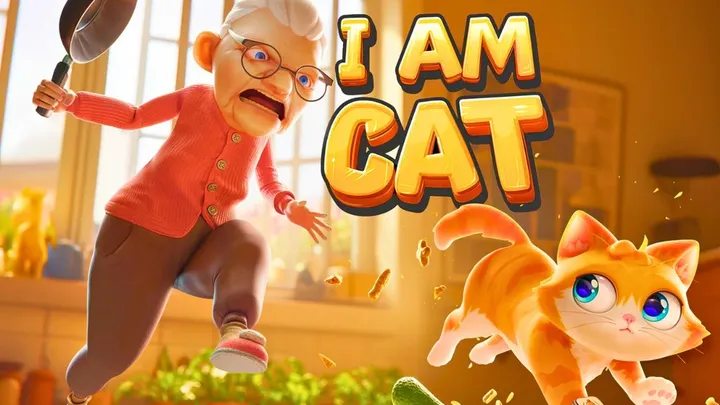
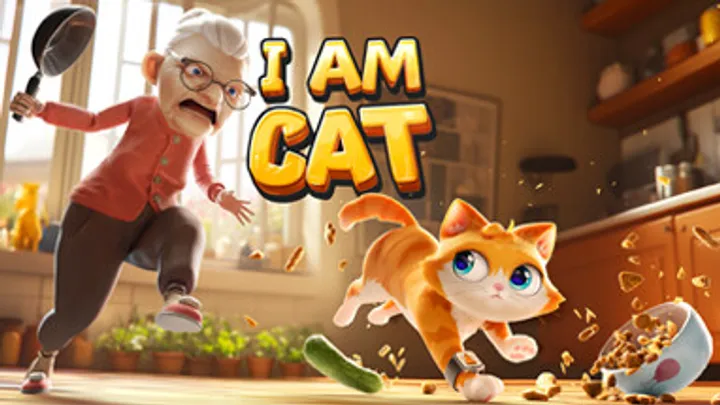
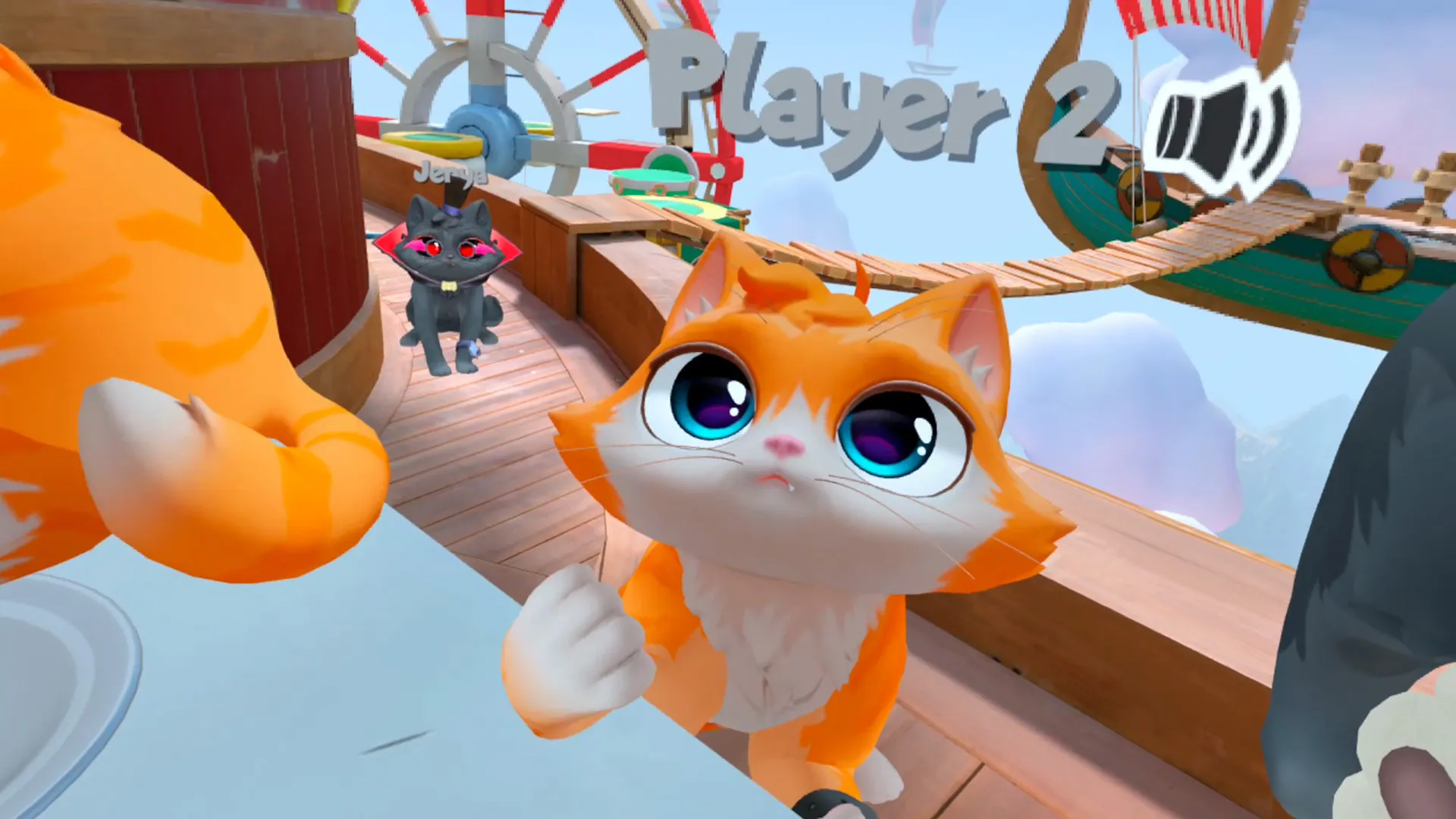
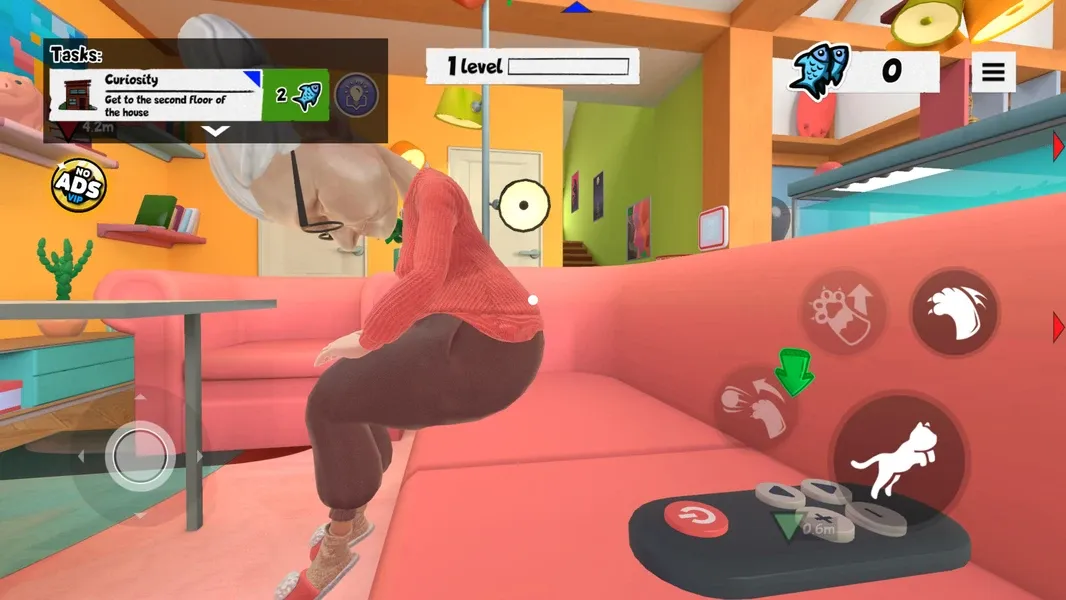
At first glance, I Am Cat looks like a lighthearted, comedic sandbox game built around a simple fantasy: experiencing the world as a mischievous cat. Players knock objects off shelves, scratch furniture, steal food, and explore human environments from a feline perspective. The premise is immediately appealing, especially to casual players and animal lovers, and the game quickly gained attention across social media for its humorous emergent moments.
However, as the novelty wears off, a central issue has emerged in community discussions: does I Am Cat offer enough structure to sustain long-term engagement, or does its extreme freedom lead to shallow, short-lived gameplay? This article explores how sandbox freedom, when left largely unguided, has become both the game’s greatest strength and its most controversial weakness.
1. The Appeal of Pure Cat Freedom
I Am Cat succeeds instantly because it understands fantasy fulfillment.
Players are not burdened by complex systems or rigid objectives. Instead, they are encouraged to behave exactly as a cat would—curious, destructive, playful, and unpredictable.
Why Players Fell in Love Early
The early appeal comes from:
- Immediate freedom of movement
- Humorous physics-based interactions
- Relatable cat behavior
For the first few hours, exploration alone feels rewarding.
2. Sandbox Design Without Clear Goals
Unlike many simulation games, I Am Cat offers minimal direction.
There are no traditional win conditions, no linear progression, and few long-term objectives beyond optional tasks.
Freedom Without Anchors
This design choice means:
- Players decide what “fun” means
- Sessions are player-driven
- The experience feels organic
But for many players, the absence of guidance becomes disorienting.
3. The Novelty Curve and Rapid Familiarity
One of the most discussed issues is how quickly players feel they have “seen everything.”
The core interactions—jumping, pushing objects, climbing—remain largely unchanged throughout the game.
When Discovery Slows
After initial exploration:
- Environments feel static
- Interactions repeat
- Surprises become rare
Without evolving mechanics, the novelty curve drops sharply.
4. Emergent Chaos vs Meaningful Systems
I Am Cat relies heavily on emergent gameplay.
Unexpected moments arise from physics interactions rather than designed challenges.
The Limits of Emergence
While chaos is entertaining:
- It lacks long-term depth
- Outcomes rarely change the world
- Actions have minimal lasting consequences
This can make player behavior feel inconsequential over time.
5. Player Agency Without Consequences
Cats in I Am Cat can wreak havoc with little resistance.
Humans react briefly, objects reset, and environments rarely remember what happened.
Why Consequences Matter
Without persistent impact:
- Actions feel temporary
- Mischief loses weight
- The world feels artificial
Players begin to crave reactions that acknowledge their behavior.

6. Community Feedback: Fun but Shallow?
Player reviews consistently praise the concept but question longevity.
Many describe I Am Cat as a “perfect short experience” rather than a game meant for extended play.
Common Community Sentiments
Players often say:
- “Great for an hour, then repetitive”
- “Funny, but no reason to return”
- “Needs more systems, not more objects”
The feedback is remarkably consistent.
7. Comparison to Other Animal Sandbox Games
Other animal-based sandbox titles provide useful contrast.
Games that succeed long-term often layer structure beneath freedom.
What Other Games Do Differently
They introduce:
- Territory systems
- Reputation or relationship mechanics
- Progression that unlocks new behaviors
These systems give freedom context and purpose.
8. Updates, Content Additions, and Their Limits
Developers have introduced new props, rooms, and minor interactions.
While appreciated, these additions often feel cosmetic rather than transformative.
Why Content Alone Isn’t Enough
More objects:
- Extend novelty briefly
- Do not change core loops
- Fail to deepen engagement
Players want systems, not just scenery.
9. The Risk of Becoming a “Streamer Game”
I Am Cat thrives in short clips and viral moments.
However, games optimized for shareable chaos often struggle with retention.
Entertainment vs Engagement
Viral appeal:
- Boosts visibility
- Encourages impulse downloads
But without depth:
- Player drop-off accelerates
- Long-term communities fail to form
This imbalance threatens sustainability.
10. The Path Forward: Structured Freedom
The solution may not be less freedom, but guided freedom.
Players want direction without restriction.
Possible Design Evolutions
Ideas frequently suggested include:
- Human relationship meters
- Persistent world changes
- Cat needs and moods that influence behavior
These systems would preserve chaos while adding meaning.
Conclusion
I Am Cat captures something rare: pure, joyful chaos. Its strength lies in letting players behave like cats without judgment or limitation. But as the laughter fades, the lack of structure becomes increasingly apparent. Without progression, consequences, or evolving systems, freedom alone struggles to sustain long-term interest.
This does not mean I Am Cat has failed—only that it stands at a crossroads. By embracing structured sandbox design, the game could transform from a charming novelty into a lasting simulation. Whether it chooses that path will determine if I Am Cat is remembered as a viral moment or a genre-defining experience.
160-Character Summary
I Am Cat sparks debate as players question whether total sandbox freedom creates lasting fun or leads to shallow, short-lived gameplay.