




Introduction
Valheim is a survival sandbox game rooted in Norse mythology, blending exploration, combat, crafting, and base-building into a slow-burning but deeply rewarding experience. Players take on the role of a fallen Viking sent to a mystical afterlife where survival depends on preparation, patience, and understanding the world’s systems. Unlike many survival games, Valheim punishes haste more than inexperience.
This guide focuses on long-term progression, biome readiness, and efficient survival strategies rather than surface-level mechanics. Whether you play solo or cooperatively, mastering Valheim requires learning how systems connect, when to advance, and how to avoid common mistakes that derail progress.
Understanding Valheim’s Progression Philosophy
Valheim is not designed for rushing. Each biome, boss, and resource tier exists to teach specific mechanics before allowing advancement. Skipping preparation almost always results in repeated deaths and equipment loss.
Progression is tied closely to boss defeats, which unlock new crafting options and tools. However, defeating a boss before properly preparing your gear, food, and shelter often creates a difficulty spike that feels overwhelming.
Players who move slowly, upgrade gear fully, and learn enemy behaviors will progress more smoothly than those chasing rapid expansion.
Early Game Survival in the Meadows
The Meadows biome serves as Valheim’s tutorial, but it should not be underestimated. Early mistakes here often create bad habits that become costly later.
Focus on establishing a secure base near water, collecting basic materials, and crafting upgraded tools rather than rushing combat. Food variety is more important than armor early on, as stamina and health determine survival more than raw defense.
Learning how to block, dodge, and manage stamina in the Meadows sets the foundation for the entire game.
Base Building and Structural Planning
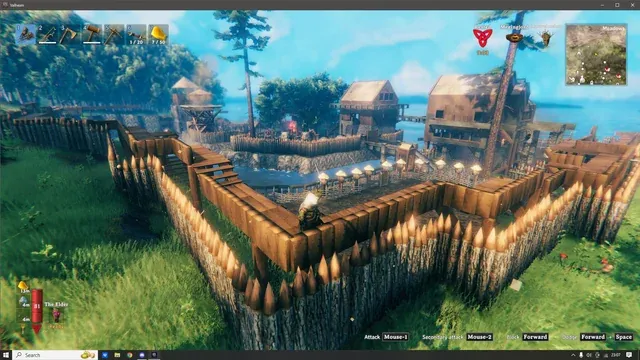
Base building in Valheim is more than aesthetics. Structural integrity, location, and layout all affect long-term efficiency and defense.
Building near coastlines allows easier transport by ship later, while elevated terrain reduces enemy pathing issues. Interior layout should prioritize crafting flow, storage access, and repair convenience.
Players who rebuild frequently waste resources. Planning ahead saves time and materials as progression accelerates.
Resource Management and Crafting Efficiency
Resources in Valheim are intentionally scarce early on. Efficient gathering means upgrading tools early rather than crafting new ones repeatedly.
Repairing equipment costs nothing, making durability management essential. Carry only what you need, and store excess materials safely to avoid corpse runs after death.
Understanding which resources gate progression prevents unnecessary grinding.
Combat Fundamentals and Enemy Behavior
Valheim’s combat is stamina-based and deliberate. Button-mashing is punished, while timing and positioning are rewarded.
Each enemy type teaches a lesson:
- Greylings punish stamina mismanagement
- Skeletons teach blocking and blunt damage
- Trolls demand spacing and terrain awareness
Learning enemy attack patterns reduces deaths more than upgrading armor alone.
Biome Transition Preparation
Each new biome in Valheim represents a sharp difficulty increase. Entering without proper preparation almost guarantees failure.
Preparation includes:
- Fully upgraded gear from the previous biome
- Proper food combinations
- Resistance meads when applicable
- Escape routes and portals
Players should explore biome edges cautiously before committing to deeper expeditions.
Boss Fights and Strategic Readiness
Bosses are not just combat encounters; they are progression gates. Each boss tests mechanics introduced in its biome.
Rushing boss fights without learning enemy patterns or crafting biome-specific gear leads to repeated deaths. Terrain preparation, such as flattening areas or building cover, significantly improves survival odds.
Boss victories feel earned when preparation matches challenge.
Sailing, Exploration, and World Navigation
Sailing expands Valheim dramatically but introduces new risks. Storms, sea serpents, and navigation errors can strand players far from safety.
Always bring portal materials when sailing. Mapping coastlines before docking reduces surprise encounters, and traveling during daylight improves visibility.
Exploration should be deliberate, not reckless.
Multiplayer Coordination and Role Division
In cooperative play, Valheim rewards specialization. Players who focus on gathering, building, farming, or combat accelerate group progress.
Shared storage systems, clear communication, and coordinated boss fights prevent wasted resources and frustration. Friendly fire and accidental structure damage become common without planning.
Well-organized groups turn Valheim into a smoother, more strategic experience.
Long-Term Progression and Endgame Mindset
Valheim’s endgame is about sustainability rather than conquest. Farming, brewing, and upgrading bases support future content and exploration.
Rushing through biomes often results in burnout or repeated deaths. Players who treat Valheim as a journey rather than a race experience deeper satisfaction and mastery.
The game rewards patience, curiosity, and respect for its systems.
Conclusion
Valheim stands out because it respects player intelligence and patience. Its difficulty does not come from unfair mechanics, but from demanding preparation, awareness, and restraint. Success is built slowly through understanding biomes, mastering combat fundamentals, and planning progression carefully.
By focusing on preparation over speed, learning from each biome, and treating every expedition as a calculated risk, players can thrive in Valheim’s harsh but beautiful world. True Viking strength lies not in aggression, but in readiness.
160-Character Summary
An in-depth Valheim guide explaining survival strategies, biome preparation, combat mastery, and progression tips for solo and co-op players.